Les contrôleurs alternatifs
l’art du bricolage et du détournement
Lien des PDF :
PDF à imprimer Mémoire contrôleur alternatif
Scan Mémoire contrôleur alternatif
Marine Drouin
DNSEP, Design des media, Esad Orléans
2025
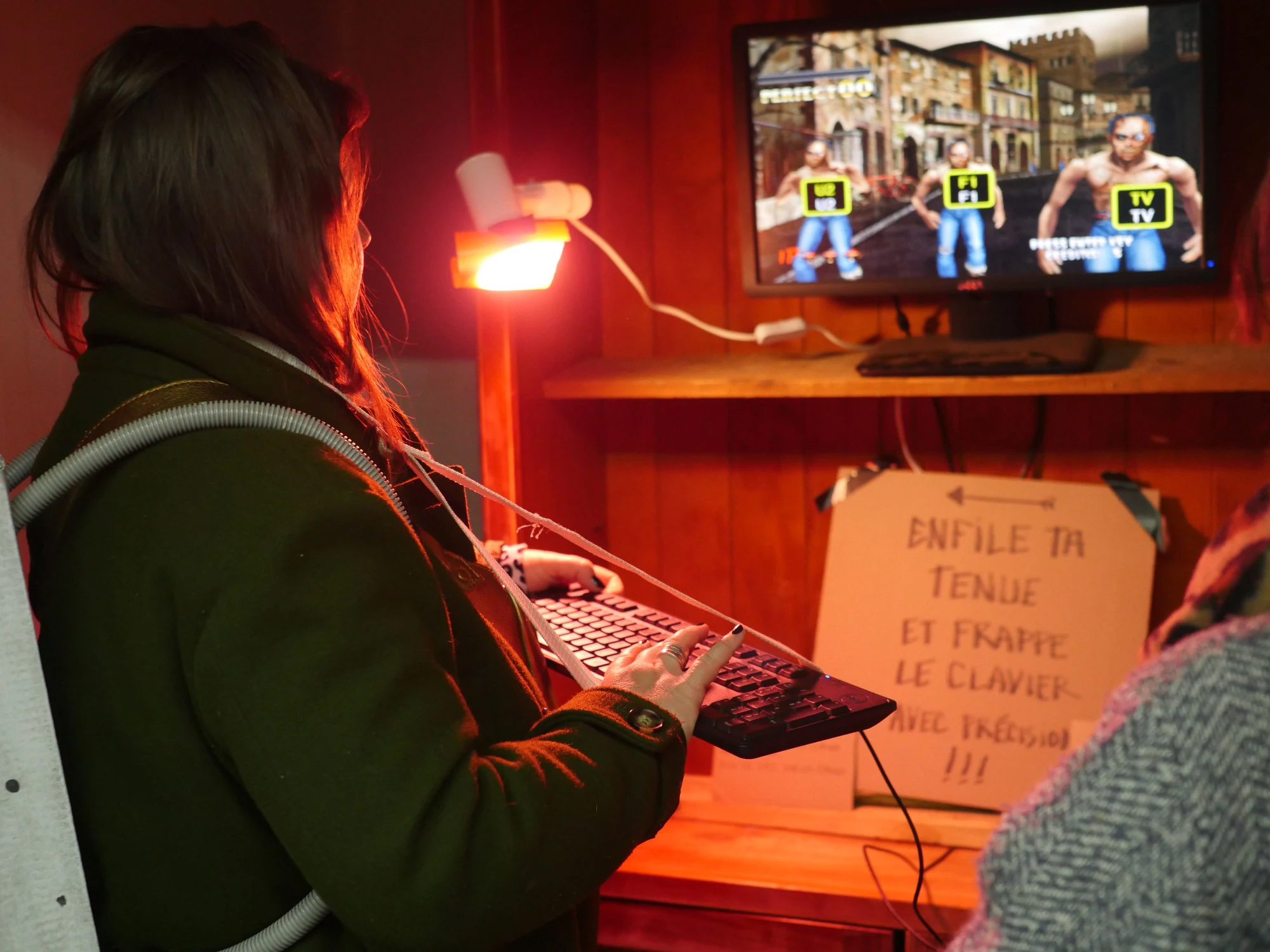
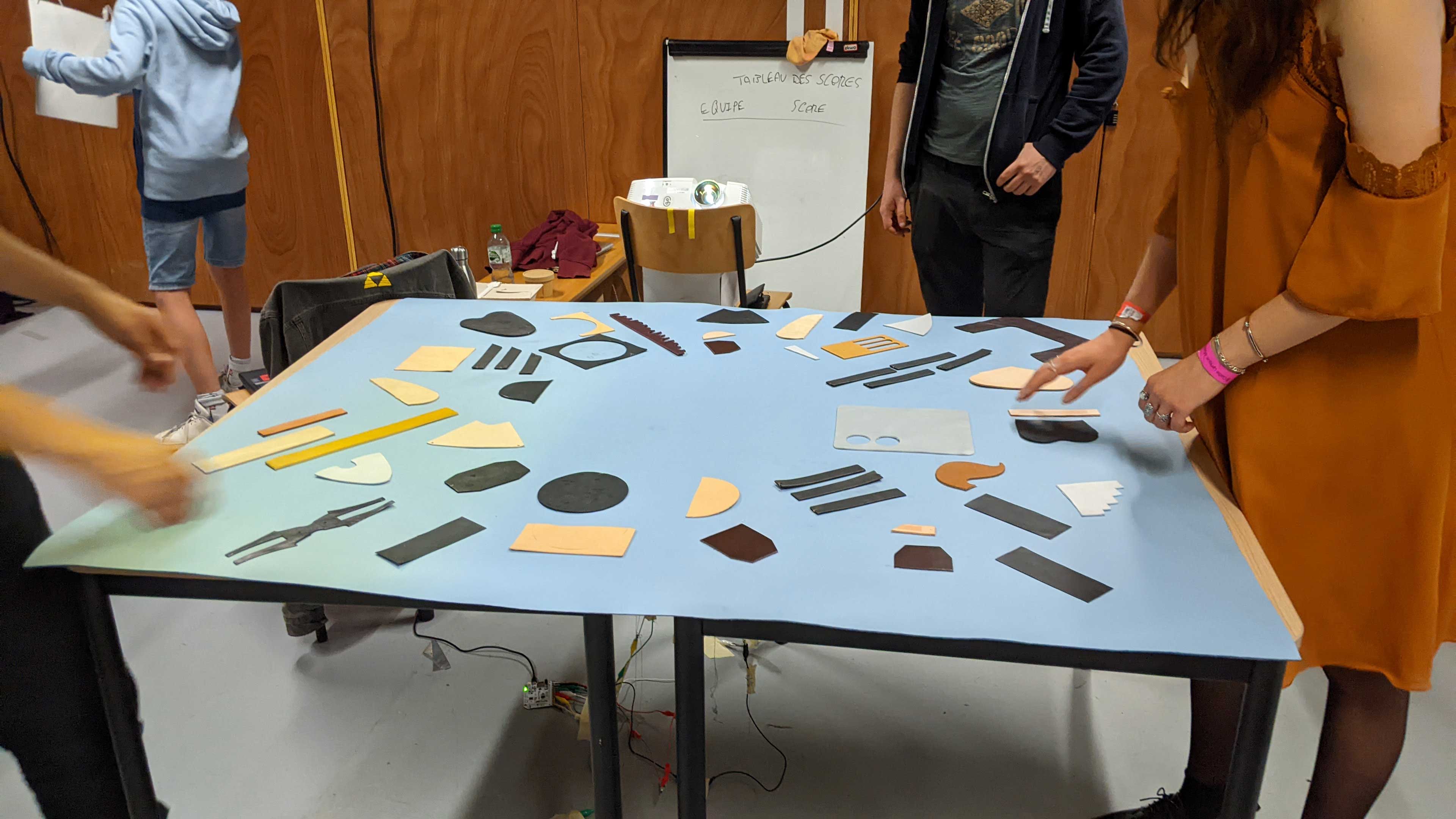
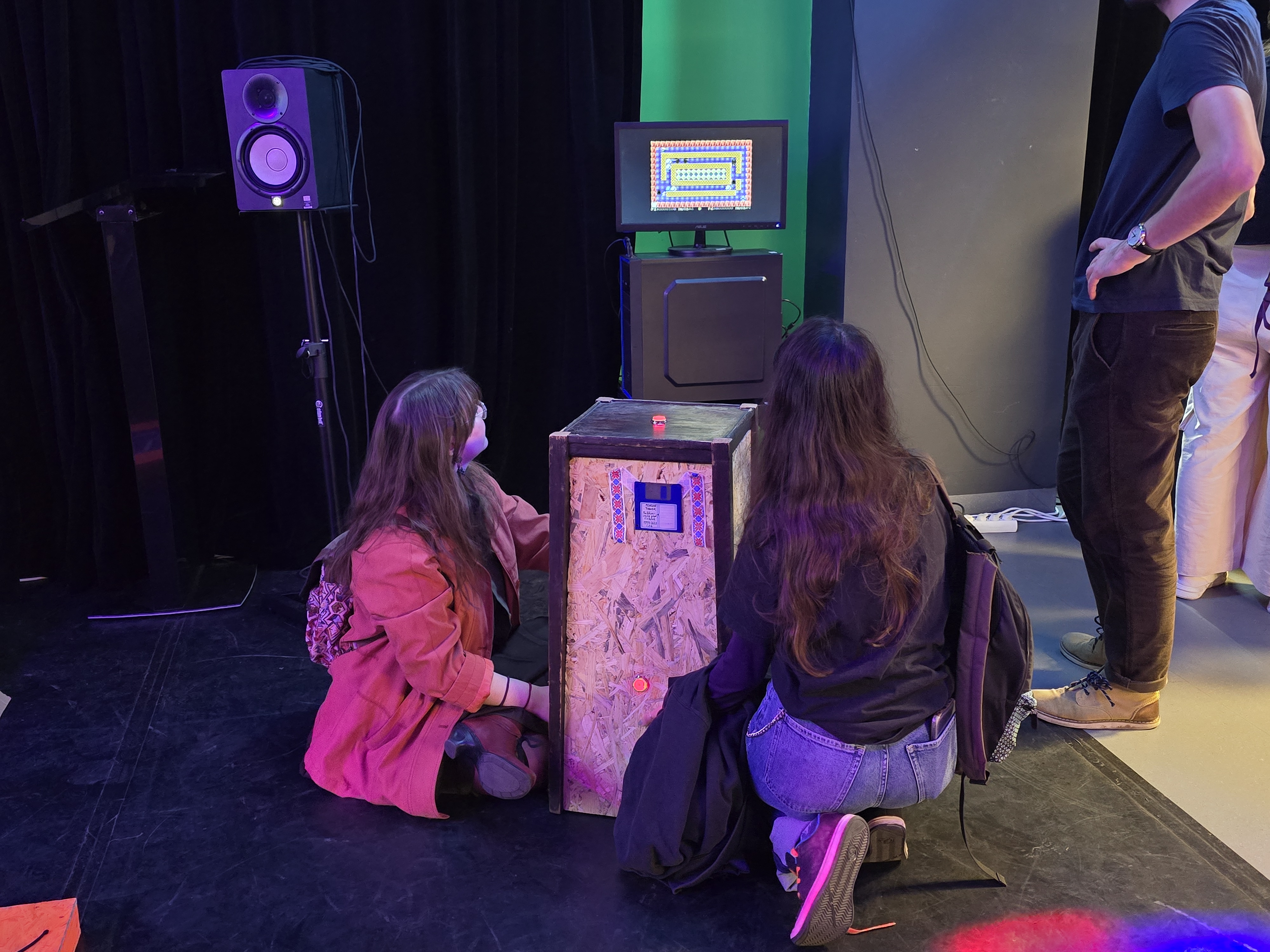
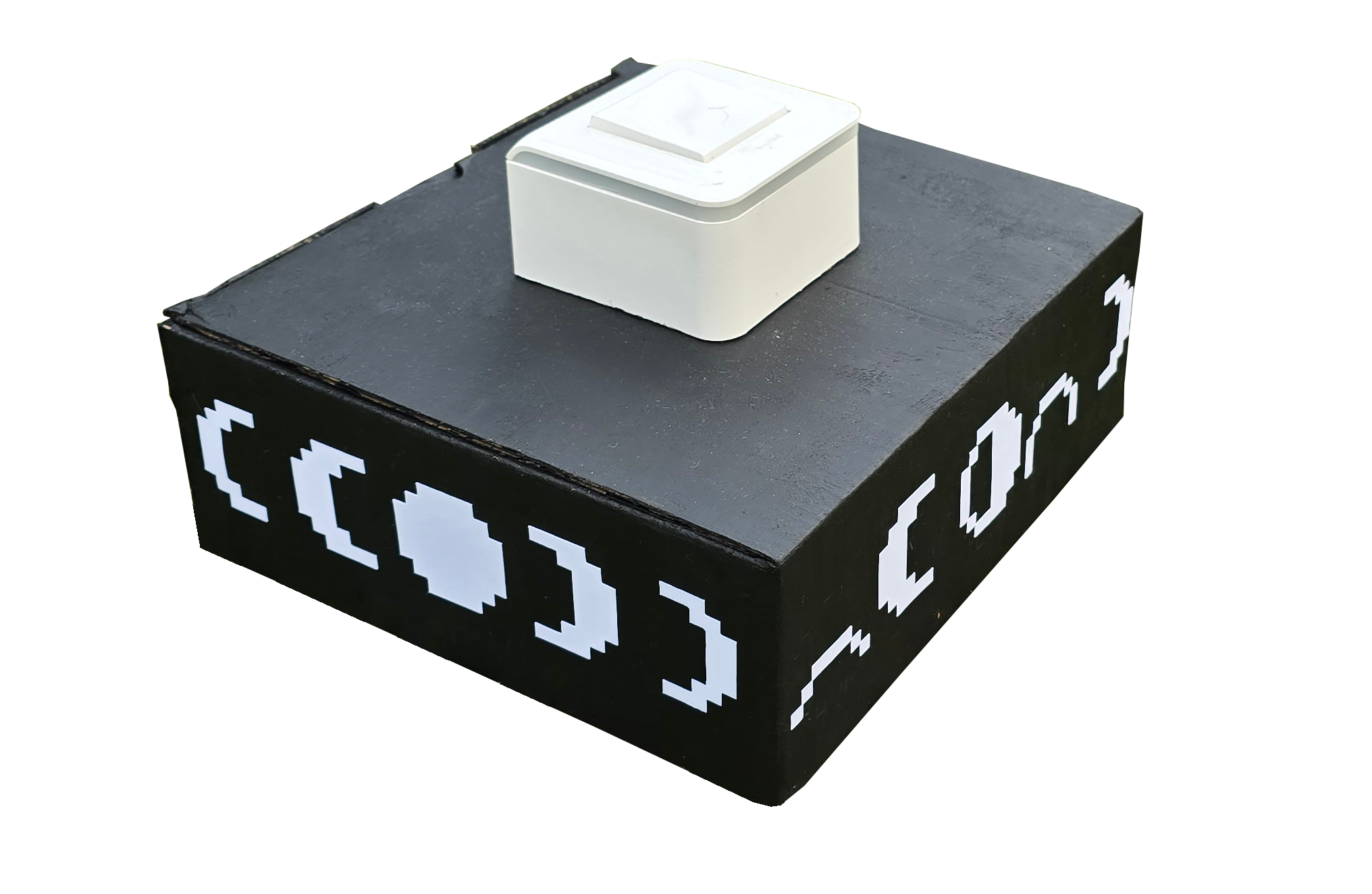
Ce mémoire étudie la pratique et le mouvement du contrôleur alternatif, soit les manières
dont un créateur peut détourner un périphérique informatique ou construire une manette
de A à Z.
J’ai tout d’abord étudié comment les premiers contrôleurs étaient jouables ainsi que
la remise en question, par le mouvement des contrôleurs alternatifs, des standards
en termes de manettes réalisées dans l’industrie vidéoludique. C’est l’industrie qui a
commencé à proposer des manettes farfelues, qui interrogent l’aspect fonctionnel de
tels outils. Rapidement, des joueurs ont aussi exploré des formes inhabituelles.
Je me suis intéressée également aux cultures hacking, maker et DIY qui ont sans
aucun doute influencé cette pratique particulière. Un deuxième axe de mon étude a
été d’explorer attentivement les étapes de conception, fabrication et exposition des
contrôleurs alternatifs et de documenter la naissance d’une communauté autour de ces
pratiques. J’ai analysé différents évènements de presque tous les continents, ce qu’ils
avaient en commun et leurs distinctions. J’ai enquêté sur de nombreuses initiatives qui
veulent préserver avec soin une trace de ces projets uniques et fragiles.
Un troisième et dernier axe porte une réflexion critique sur des questions de société,
qu’il s’agisse de l’écologie, des discriminations des personnes qui n’entrent pas dans
les normes sociales, économiques. Je me penche sur des intentions variées qui ont pour
but de développer des jeux vidéo et des solutions pratiques pour chaque personne en
situation de handicap. Je questionne la culture dominante masculine qui s’est établie
dans le jeu vidéo et j’aborde la manière dont les femmes et les personnes queer peuvent
prendre possession de ce médium pour conter leurs histoires et révolutionner la manière
de produire un jeu vidéo.
This research project investigates the practice and alternative controller movement. It
consists of all manners in which a creator can hijack peripheral devices and build bizarre
tangibles video games.
Firstly, I will study what were the first controllers and plaything; and what production
context led to today’s modern standards. Then, how the industry explored unusual ways
of creating eccentric game pads or singular games. And finally, how players began to
reclaim controllers and games as their own.
Furthermore, I am interested in how hacking, maker culture and DIY have undoubtedly
influenced this specific medium. My research will delve deeper on the aspects of how
making, learning, exposure and even archiving would change the game designer’s way to
interact with games and gamers. I will analyze events from across the globe, identifying
commonalities and differences, and investigate initiatives aimed at preserving the
history and legacy of these unique and ephemeral projects.
This work is grounded by a reflection on how entertainment devices can reveal aspects
of our modern societies and how we can criticize them through multiple points of views,
the like of implementation of an ecological responsibility in some projects. I also explore
different intentions to progressively develop video games and practical solutions for
the disabled and how disability can impact your gaming experience. I will also question
how the manufacturing of controllers adjusted to the disabled but also how games made
for or with disabilities in mind can not only spread awareness but also challenge norms
and can make for innovative gameplay.
Ultimately, I document how women shape the gaming scene and the industry even though
they suffer from systematic sexism, whether it be in a casual or artistic environment.
I am particularly interested in how women or queer people take possession of an
expressive medium to uniquely relate their stories and revolutionize the way to produce
video games.